The middle ear is connected to the back of the nose which is known as the nasopharynx through a small tube which is known as the Eustachian tube. In the deeper aspect of the middle ear, there is inner ear which consists of the hearing organ which is known as the cochlear, the balance organ which is the vestibule and the nerves transmitting the hearing and the balance to the brain are also housed within this bone. The sound waves are transmitted through the ear canal onto the drum where it vibrates and the vibration is transmitted through the bones into the inner ear where the fluid in the inner ear moves what is called the hair cells which are sensory organs which converts the pulses to electrical energy so it can be transmitted along the hearing nerves to the brain.

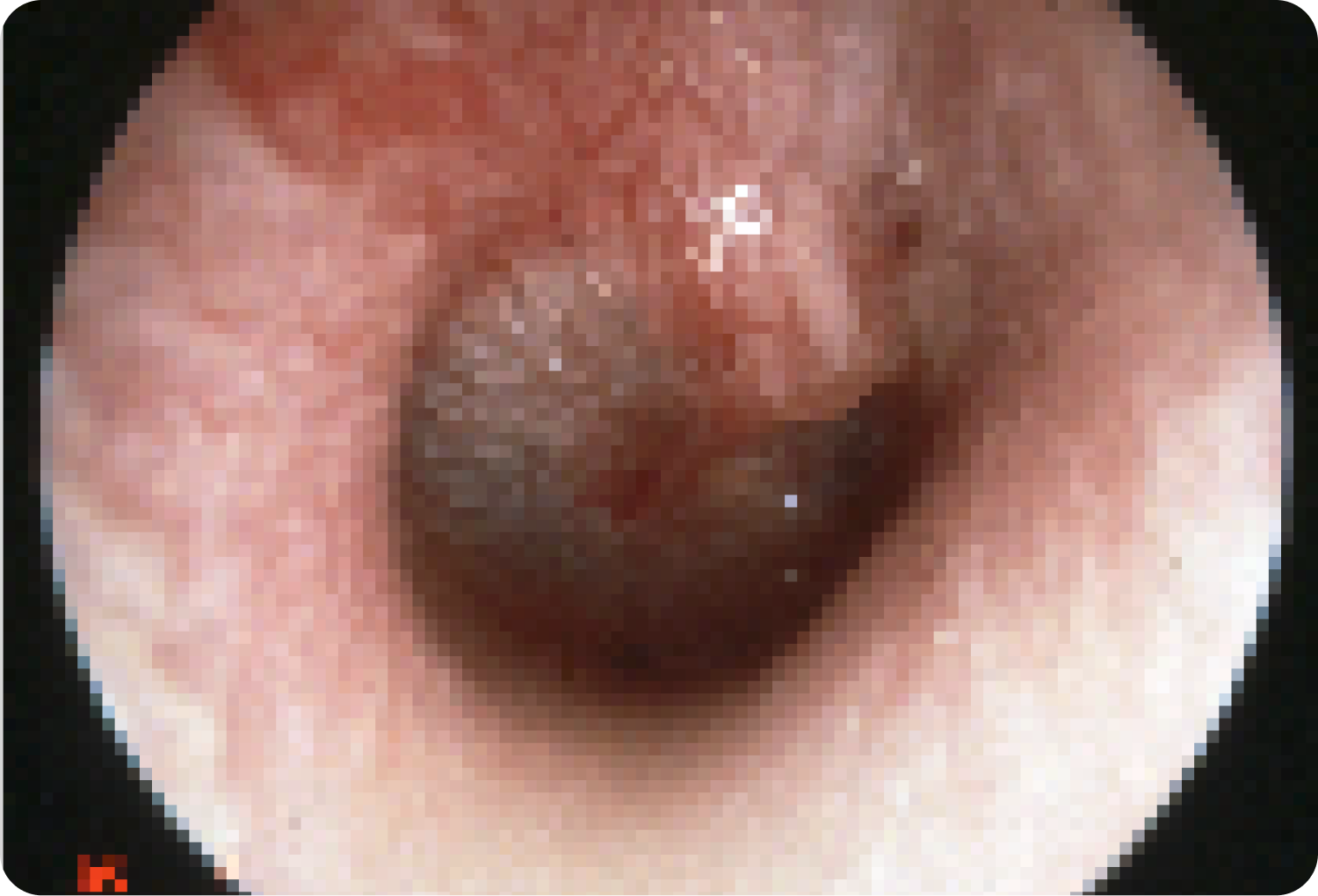
Acute otitis media means there is acute inflammation of the middle ear and tympanic membrane. In this condition the eardrum will be red and often bulging. There may be some fluid present in the middle ear, and the child often complains of pain and is often irritable and may have high fevers. This often requires analgesics and antibiotics. Following acute otitis media the fluid may remain in the middle ear often for a number of weeks. The fluid usually drains through the Eustachian tubes, and if there is any impediment through this drainage, the fluid may persist. When this occurs it is known as otitis media with effusion and often called "glue ear".

Glue ear refers to the term as the type of fluid in the middle ear when it is 'gluey' in consistency. The type of fluid in the middle ear can vary from simple fluid which may be yellow or straw coloured or clear fluid or thick gluey secretions which often mean the fluid has been there for a considerable amount of time (easily three months or more).
Most of the infections can be treated with analgesics and antibiotics. Occasionally some children require drainage of the fluid to give them symptomatic relief. In contrast the middle ear effusion (glue ear) without acute infection does not cause fever or acute pain but does cause hearing loss, blocked sensation in the ear, speech language development delay, problems with learning at school, intermittent discharge, balance disturbance and scarring on the tympanic membrane and ossicles.
Middle ear effusion when persists more three month period requires attention especially if it is causing hearing loss, changes on the tympanic membrane which may be irreversible such as scarring, speech and language developmental delay.
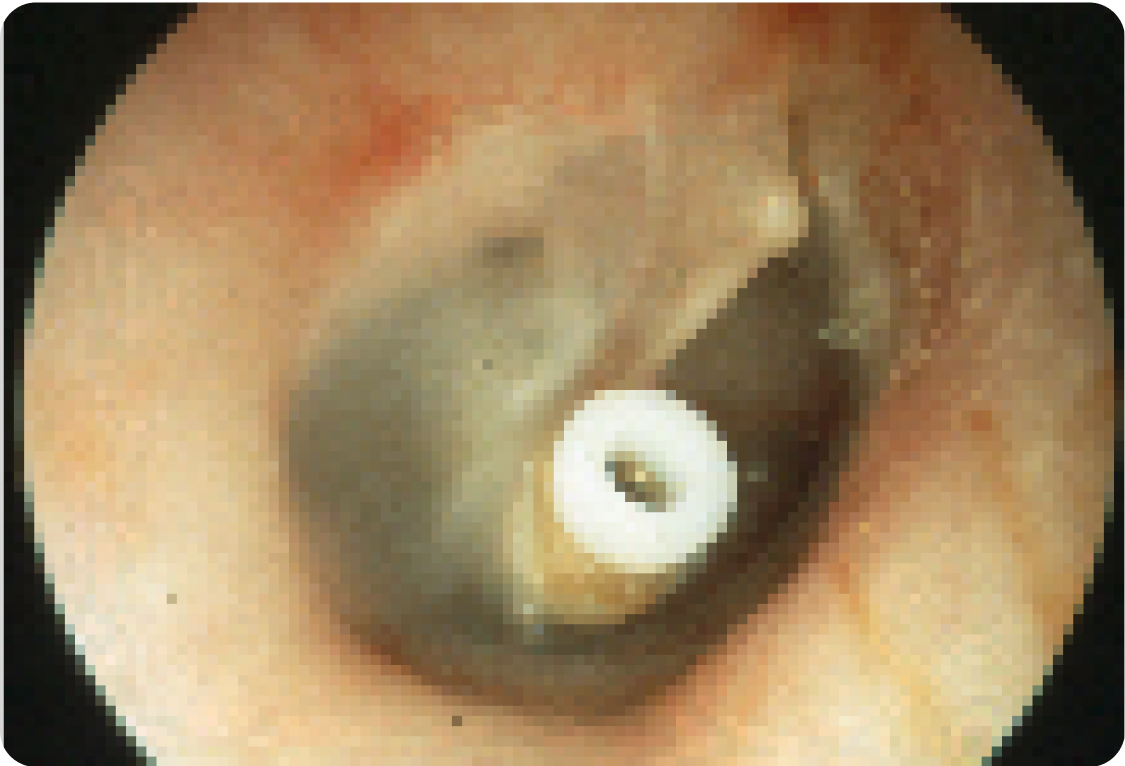
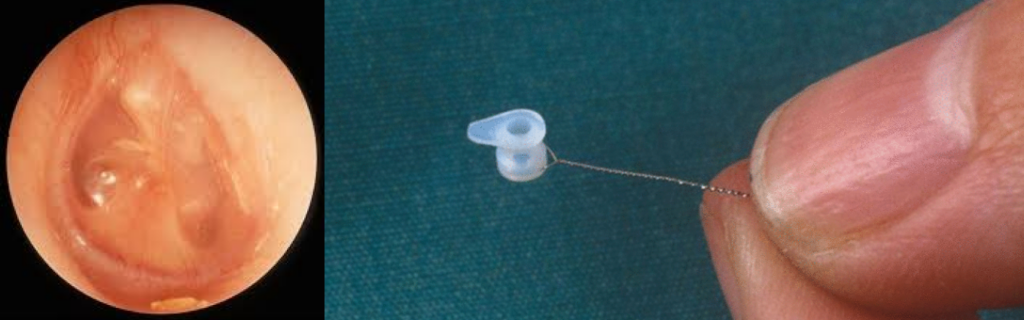
These are a small plastic tube which is in the shape of small cotton reels. They are very small and are placed on the drum under a general anaesthetic, with a small incision on the tympanic membrane. One flange sits in the middle ear, the other on the external surface of the tympanic membrane. This helps to equalise the pressure, drain the fluid and restores the tympanic membrane to be in its normal position. There are various shapes and sizes of ventilation tubes (grommets) and depending of its size, they will last for a variable period of time. Usually they last anywhere between 9 and 18 months.
The surgery for insertion of grommets is performed under general anaesthetic, with mask anaesthesia, and takes about ten minutes. It is a day procedure where the child is in hospital for approximately four hours. Post operatively the child usually requires Paracetamol and often some ear drops to keep the hole of the grommet patent for a few days.


In terms of swimming it appears no protection is necessary but care should be taken when children dive deep down in the pool over ten feet, swimming in local creeks or hot pools. Precaution is necessary when washing hair with shampoo as the alkaline pH of shampoo water seems to increase the risk of discharge from the grommets. Ear plugs can be used for hair washing but not essential. Grommets usually fall at its own accord - sometimes have to be removed if its there for more than three years.
Ear drum perforation risk is about 2% following insertion of grommets and if this does occur, the perforation usually acts like a grommet for a period of time and if it does not heal, when the child is about eight years of age this could be repaired through a simple operation.
Retained grommet : The grommets not falling out in 12-18 months time can occur in 5 % of the children and may need surgical removal to prevent persistent tympanic membrane perforation.
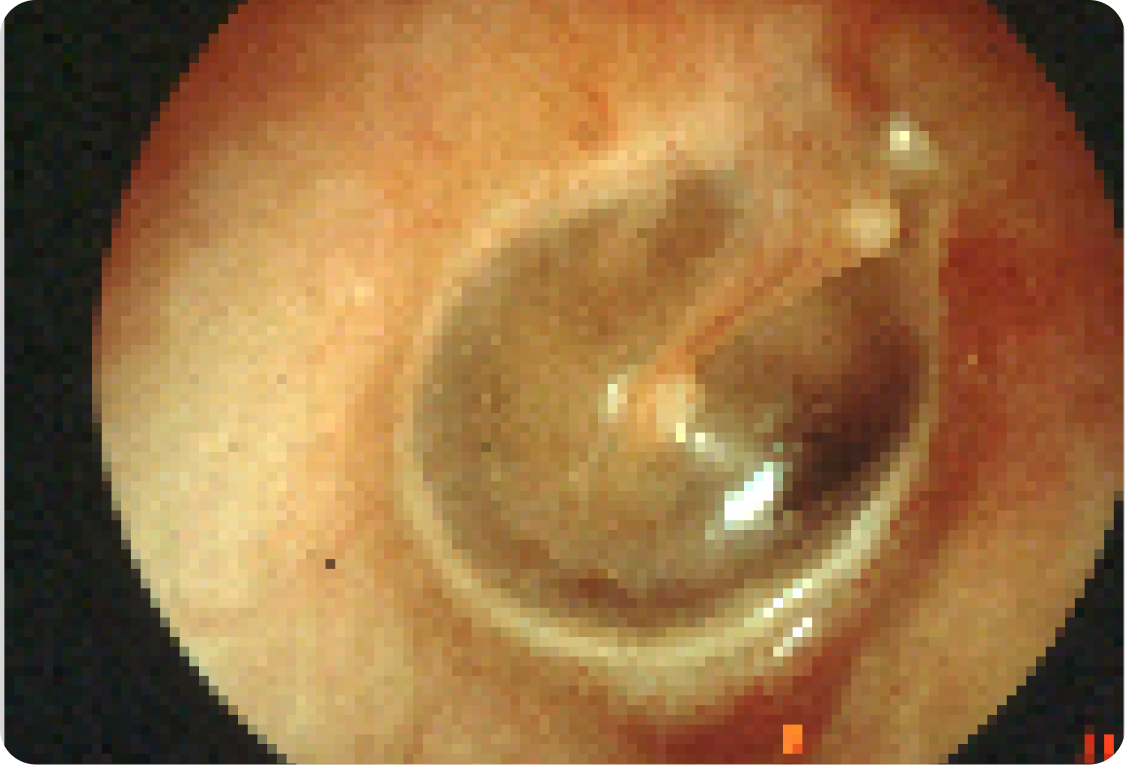
There is often some scarring on the tympanic membrane which is called tympanosclerosis which occurs following insertion of grommets, and this does not usually cause any hearing loss. This is simply a white patch on the drum which is visible on examination which does not have any long term effects.
Discharge after grommets (10%) is common especially after a cold or swimming - you should use topical ear drops like Sofradex to control this infection rather than oral antibiotics. Occasionally this discharge needs suction or dry mopping prior to using topical antibiotic drops.