
Tonsil and Adenoid Surgery
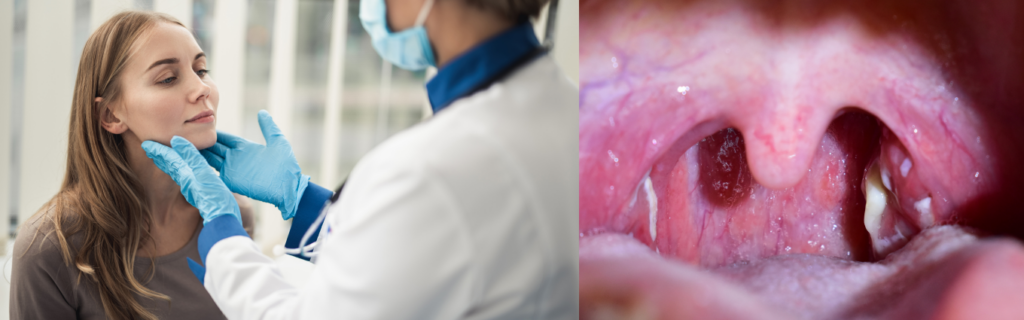
Tonsils and adenoids help fight infections in early childhood but can cause breathing issues and recurrent infections when enlarged. In such cases, surgical removal may be necessary to improve health and quality of life.
Tonsil and Adenoid Surgery
What are tonsils and adenoids?
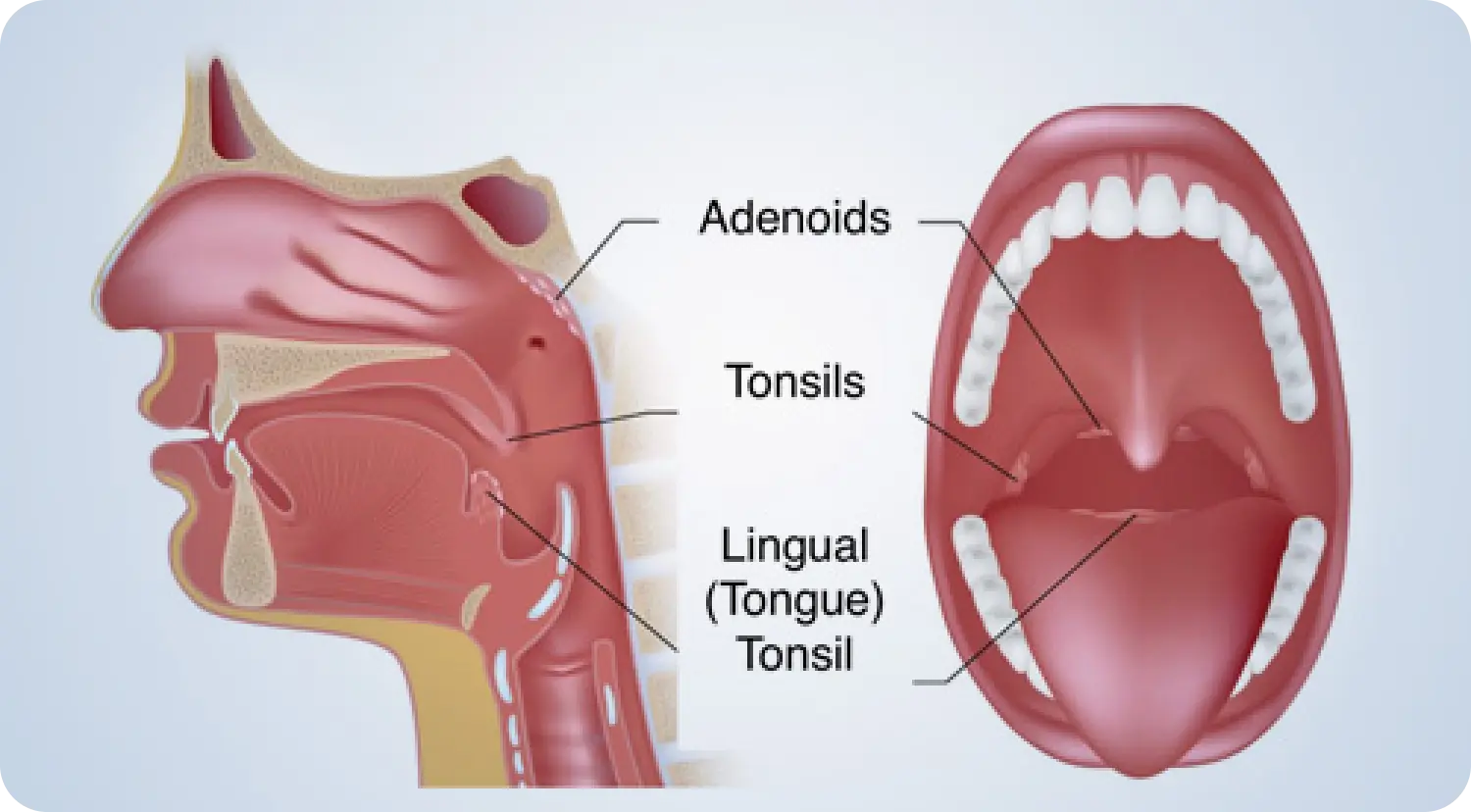
Tonsils and adenoids are both lymphoid tissues similar to the glands in the neck and are situated in the throat (Tonsils – one on each side) and adenoids in the back of the nose.
They are capable of assisting our body to fight infections but liver, spleen and the bone marrow usually take over this role after infancy. The tonsils and adenoids cause problems either by enlargement causing obstruction or due to infections or combination of both.
Adenoidal enlargement can cause blocked nose/runny nose, snoring, mouth breathing, nasal speech, ear pain and infections. Adenoidal infections may cause runny nose, bad breath, ear infections, cough and sore throat.
Tonsillar enlargement can cause snoring, difficulty in breathing/eating/swallowing/speaking, complete obstruction in breathing (apnoeas), drooling. Tonsillar infections may cause fevers, headaches, abdominal pains, cramps, nausea, vomiting, febrile convulsions, sore throat & difficulty on swallowing, drooling, bad breath, inability to open mouth, neck gland swelling, neck pain, and general feeling of unwellness. Tonsillar infections caused by certain bacteria can adversely affect the heart valves causing rheumatic fever and inflammation of the kidneys that may be permanent. In some cases tonsillar infections can become chronic or abscesses may form around the tonsillar tissue if untreated known as Quinsy.
Tonsillar and adenoidal enlargements can cause obstructive breathing hence reduce the oxygen in the blood stream and brain. This can make the children lethargic, sleeping during daytime, easily tired and could exert undue stress on the other vital organs such as the heart and brain. Infections when chronic can interfere with normal lifestyle, including absenteeism from school, work, leisure activities or play.
What can be done?
Most of the infection can be treated with antibiotics, but some chronic infections will need surgical removal. The surgical names are listed below:
Tonsil removal – Tonsillectomy
Adenoidal removal – Adenoidectomy
Tonsils & Adenoids removal – Adeno-tonsillectomy
What does it involves and what to expect?
This will be done under General Anaesthetic. The operation is done through the mouth and is usually a day-stay procedure (sometimes one or two nights stay in hospital).
We use a diathermy to remove the tonsil. Adenoids are curetted with a special instrument. Bleeding is controlled by cauterisation of blood vessels in the bed of tonsils. The operation takes about thirty minutes.
Most children and adults can go home 4-6 hours after surgery if they are drinking and eating and the pain is under control.
You and your child should plan for a minimum of 7-10 days of convalescence.
Following tonsillectomy you will have a sore throat for about 10-14 days and the pain may get worse around day 5-6 following surgery before it gets better as the scar from the tonsil may fall off. You should take regular Paracetamol or Panadeine and other pain relief prescribed by your surgeon.
If you have had Adeno-tonsillectomy together with grommet, but not tonsillectomy, then the pain is often much less than if you have had tonsillectomy. However it may be advisable to use Paracetamol for just five days (3-4 times a day).
It is important that you eat and drink normally as you possibly can, as this will prevent build up of blood clot and debris at the operative site. Drink plenty of fluids – you can never over do it. You can get referred pain to the ear which can last up to 7 days.
There can be some bleeding, blood stained saliva/nasal discharge in the post-operative period. If this is to occur then suck some ice for 5-10 minutes. If bleeding continues contact your doctor/surgeon or go to the hospital directly.
If you have ongoing pain, temperature, unwell ness despite regular medications, contact your surgeon.
You should not take any medications containing ASPIRIN for two weeks and after surgery.
Children can resume normal activity after 7-10 days following tonsil and adenoid surgery. Keep off school for at least one week; some children may need two weeks off school (this varies from child to child).
Adenoidal tissue can grow back in some children, but tonsillar tissue rarely grows once removed.
Some children have a change in voice following surgery, but this soon reverts to normal (3-4 weeks). If this persists please let the surgeon know.
Bleeding is a rare problem and can occur up to 15-18 days after surgery. So do not plan travel during this period. Discuss this with your surgeon.
There can be a change in the sensation of taste after surgery but usually lasts only a few weeks.
Tonsil and Adenoid
Murali Mahadevan
Specialist ENT Surgeon
For all enquiries and appointments call (09) 925 4050
Suite A, Level 1, Kakariki Hospital
9 Marewa Road
Greenlane, Auckland 1051
Facsimile: (09) 925 4051
Only general information is provided on this web site and is not intended as advice or a consultation. Please read our full disclaimer.

If you're experiencing these symptoms, it's recommended to consult a healthcare professional for proper diagnosis and treatment.
FAQs
Tonsils and adenoids are removed when they cause persistent infections, breathing difficulties, sleep apnea, snoring, or other complications affecting daily activities.
Most patients recover within 7–10 days, though some throat discomfort can last up to two weeks. Pain may peak around days 5–6 before gradually improving.
Yes, it is a routine procedure with a high success rate. While complications like bleeding or infection are rare, they can occur, and it’s important to follow post-operative care instructions.
No, other immune tissues in the body, such as the spleen and lymph nodes, continue to fight infections, ensuring the immune system remains effective.
Soft, cool foods like yogurt, ice cream, soups, and smoothies are recommended. Staying hydrated is essential, while spicy, acidic, and rough foods should be avoided to prevent irritation.
Tonsils rarely regrow after removal, but adenoidal tissue may regrow in some cases, especially in young children.
Contact Us
Get in touch to book an appointment or inquire about our ENT services. Our team is here to assist you with expert care and guidance.
Ph: +64 9 925 4050
Fax: +64 9 925 4051
Dr Murali Mahadevan FRACS
Otolaryngology Associates Ltd
Suite A, Level 1, Kakariki Hospital
9 Marewa Road
Greenlane, Auckland 1051